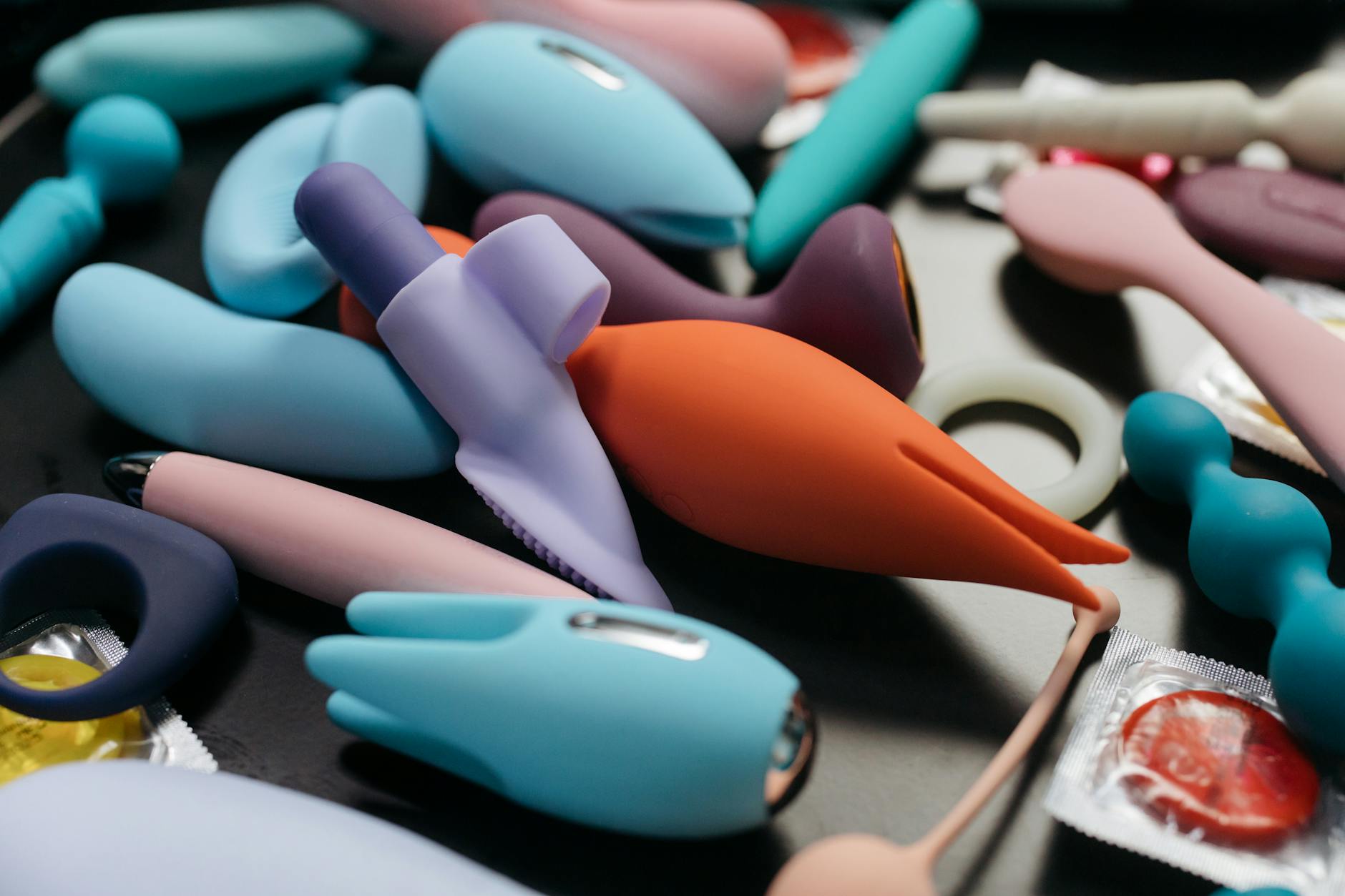
Let's talk about what pelvic pain actually does
Pelvic pain doesn't just hurt while it's happening. It rewires how your nervous system reads signals from that area. Touch that felt good before now registers as ambiguous, threatening, or completely numb. Your brain learned to protect you by dampening sensation. That was the right response when pain was the problem. But now that you're healing, your nervous system hasn't gotten the memo.
The good news: this is reversible. Not always fast, but absolutely reversible. And a lemon clitoral vibrator, used thoughtfully, can be a powerful tool for teaching your body that sensation down there is safe again.
How pelvic pain changes the sensation landscape
Here's what I see clinically. People recovering from pelvic pain often report one of three things: numbness that feels like anesthesia, hypersensitivity where normal touch feels sharp or wrong, or a weird gap between mental arousal and physical response. Your brain wants pleasure. Your body isn't cooperating. And that mismatch creates a whole secondary anxiety layer.
The nervous system doesn't distinguish between "that hurt because I had endometriosis" and "that will hurt because I have endometriosis." Once pelvic pain has lived in your body, your nervous system defaults to caution. Touch becomes suspect. Arousal becomes complicated because it requires relaxation, and your pelvic floor learned the opposite: stay tight, stay protected.
The neural pathways are still there. The capacity for sensation exists. But the wiring got rerouted during recovery. A lemon vibrator works specifically because it offers something different from partner touch. It's consistent, you control the intensity completely, and the suction-based stimulation bypasses the traditional pressure that may still feel threatening to a sensitized nervous system.
Starting with sensation mapping, not arousal
This is the critical first step most people skip. You're not trying to have an orgasm yet. You're teaching your nervous system that touch in this area can be neutral or good.
Wait until you're genuinely relaxed. Not "fine," not "ready." Actually relaxed. A bath, time alone, your body warm and unhurried. Start with the lemon vibrator on its lowest setting. Don't go for clitoral stimulation immediately.
Instead, let the vibrator hover just outside the most sensitive area. Notice what happens. Does the sensation feel foreign? Sharp? Numbing? That's information, not failure. Your job is to sit with whatever sensation appears without trying to force it into arousal.
Do this 3-5 times before moving to direct clitoral contact. You're not chasing a goal. You're collecting data about how your body is waking up.
The specificity of lemon vibrators for post-pain recovery
Unlike traditional vibration, which relies on rapid back-and-forth movement, the suction mechanism on lemon adult toys creates a gentler, more encompassing stimulation. It doesn't require the same level of tissue tolerance that friction-based vibrators demand.
If you're hypersensitive, this matters. The suction feels like a soft pull rather than a repetitive pressure. If you're numb, the rhythmic pressure is specific enough that your nervous system can actually register it. You're not getting lost in a blur of generic vibration.
Start at pattern 1 or 2. The lemon vibrator has graduated intensity for exactly this reason. You're teaching your nervous system in increments, not overwhelming it.
The arousal timeline shift
Arrangements that worked pre-pain often feel clumsy now. You need more time. Your nervous system needs more reassurance before it's willing to shift into parasympathetic mode (the relaxation state where arousal actually lives).
Build in 20-30 minutes for yourself before you introduce the lemon clitoral vibrator. That's not wasted time. That's your nervous system learning that this space is safe, predictable, and yours. Touch yourself elsewhere first. Your breasts, your inner arms, your thighs. Let arousal begin in places that don't carry the injury story.
When you move to the lemon vibrator, you're not starting from zero. You're starting from a place where your nervous system is already beginning to relax. That context changes everything.
If you're partnered: the conversation that matters
Most partners of people in pelvic pain recovery want to help and have no idea how. They might interpret sensation changes as rejection. They might push gently, trying to "normalize" things faster. That pressure, even when well-intentioned, reinforces the nervous system's protective response.
This is worth naming directly. "My nervous system is recalibrating. It's going to take time. Using a lemon vibrator alone helps me understand what feels good at my own pace. That's not about you. It's about me rebuilding trust with my body."
If your partner wants to be involved, define very specific roles. They can be present without touching. They can offer comfort after. They can help you set up and clean up. But the sensation work itself needs to be yours. You're the expert on your own nervous system.
The consistency piece
Three times a week beats once a month. Your nervous system learns through repetition and safety. If you're stretching months between sessions, you're restarting the recalibration each time.
Set a realistic rhythm. If three times a week feels like a chore, do twice. If daily feels natural, go daily. But whatever rhythm you choose, stick with it for 4-6 weeks before you decide it's not working. Nervous system rewiring isn't linear. Some sessions feel amazing. Others feel like nothing. Both are progress.
What doesn't help (and why)
Forcing arousal before your nervous system is ready creates the exact opposite of what you want. Pushing through numbness or hypersensitivity doesn't desensitize. It reinforces. Your system tightens further.
Similarly, using a lemon vibrator as a means to an end (orgasm, specifically) puts pressure on your body to perform before it's genuinely ready. That performance pressure activates the same protective mechanisms that pelvic pain installed. You end up fighting your own nervous system.
And comparing your recovery timeline to anyone else's is a trap. Pelvic pain recovery is wildly individual. Some people reclaim full sensation in months. Others take years. Both are normal.
When to bring in professional support
If after 8-12 weeks of consistent use, sensation isn't shifting at all, or if you're experiencing increased pain, a pelvic floor physical therapist trained in pain recovery is worth the investment. They can assess whether your pelvic floor needs active release work before sensation mapping will register.
Similarly, if hypersensitivity is extreme, a trauma-informed therapist can help your nervous system understand that the threat has passed. Sometimes the body needs permission from your mind before sensation can normalize.
A lemon vibrator is a tool. A good one. But it works best alongside professional support when pelvic pain recovery is complicated.
The long view
You're not broken. Your nervous system did exactly what it was designed to do. It protected you. Now you're asking it to trust again. That's work. It requires patience, consistency, and genuine self-compassion.
Most people who stick with the process report that sensation returns richer than before. Not because their body is different. Because they're finally attending to pleasure without shame. They're claiming touch as theirs, on their terms, at their pace.
That's the real reclamation. A lemon clitoral vibrator is just the tool that makes it possible.
People also ask
How long does it take for sensation to return after pelvic pain recovery?
There's no universal timeline. Some people notice shifts in 4-6 weeks. Others need 3-6 months of consistent, gentle work. Nervous system rewiring is individual and depends on the severity of pain, how long you experienced it, and whether you have ongoing support. If sensation hasn't shifted after 12 weeks of consistent practice, consulting a pelvic floor physical therapist is worth it.
Can I use a lemon vibrator while I'm still in pain?
Not for pleasure work, no. If you're actively experiencing pelvic pain, vibration can aggravate it. Wait until you've been cleared by your healthcare provider and pain has quieted significantly. Once you're in active recovery mode (pain-free or near pain-free), that's when sensation mapping with a lemon vibrator becomes helpful.
What's the difference between numbness and hypersensitivity during pelvic pain recovery?
Numbness feels like anesthesia. Your brain doesn't register touch because the nervous system dampened signals to protect you. Hypersensitivity is the opposite: normal touch registers as sharp, wrong, or threatening. A lemon vibrator can help with both because the suction-based stimulation is gentle enough for hypersensitivity but specific enough for numbness. Start at the lowest setting either way.
Should I use lube with a lemon clitoral vibrator during recovery?
Absolutely. Water-based lube removes any friction concern and signals to your nervous system that this is gentle, supported touch. Use it every time, even if you think you don't need it. The signal matters more than the physical need. It tells your body this is different from what caused pain.
Can I incorporate a lemon vibrator with partner touch, or should I keep them separate?
Early in recovery, separate is gentler. Your nervous system needs unambiguous input from a single source. Once sensation is returning and you're feeling confident with solo use, you can experiment with your partner present or involved. But let that happen on your timeline, not out of pressure or expectation. Some people integrate partner touch early. Others take months. Both are fine.
What if a lemon vibrator still feels too intense even on the lowest setting?
Try external stimulation without direct contact. Hold the lemon vibrator just outside your most sensitive area. Let the vibration be felt indirectly. You can also pause between sessions to give your nervous system processing time. Recovery isn't linear. Some days will feel easier than others. That's your system adjusting, not you failing.
Moving forward
Pelvic pain recovery is less about forcing yourself back to "normal" and more about building a new normal with your body. A lemon vibrator can help that conversation happen. But only if you're patient with the process, consistent with your practice, and genuinely curious about what sensation is trying to tell you.
Your pleasure matters. Your nervous system's caution was protective. Both things are true. Learning to navigate these transitions with your partner or alone is about meeting your body where it actually is, not where you wish it were.
If you're navigating this alone and want professional guidance, reach out. Recovery is personal. You deserve support that matches that reality.