When time apart becomes a wall in the bedroom
Let's be real. Your partner comes back from weeks or months away, and the assumption is that physical intimacy will just pick up where it left off. It doesn't work that way. The body remembers absence. The nervous system needs permission to relax back into touch. And shame loves a vacuum. If you haven't had sex in a long time, the pressure to make that first reconnection "count" can tank the whole thing before it starts.
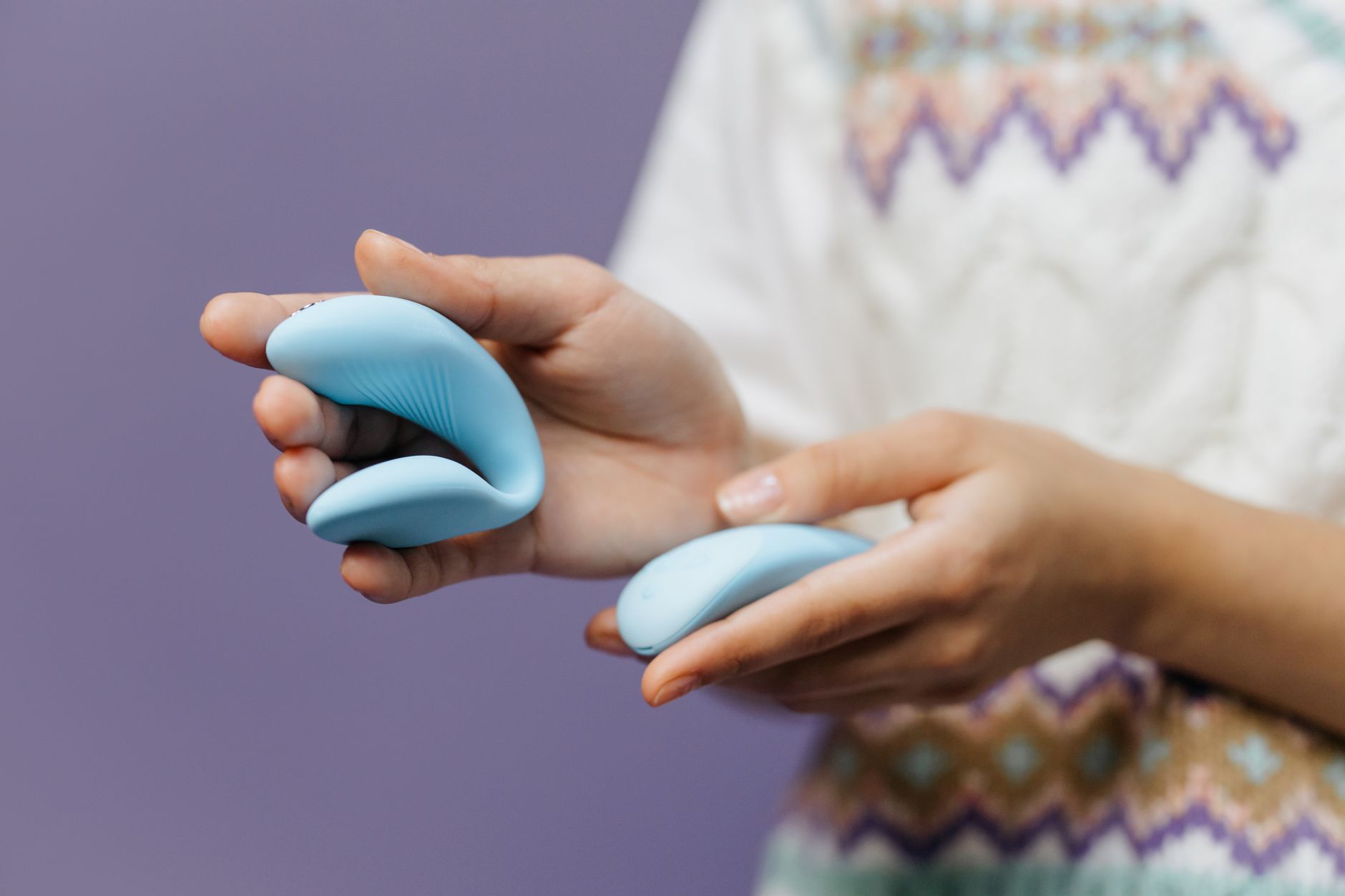
This is where a clitoral vibrator like the Lemon can become less of a toy and more of a translator between what you both want and what your bodies are actually ready for.
Why reconnection sex is harder than you think
There's a reason early reconnection feels awkward. Three physiological things are happening at once.
First, your autonomic nervous system has shifted. When your partner is away, your body settles into a rhythm without them. The parasympathetic nervous system (your "rest and digest" mode) gets used to operating solo. When they return, your nervous system doesn't flip back on command. It takes time to resynchronize.
Second, the psychological weight of "getting it right" creates performance anxiety. You both carry pressure. They're worried you've drifted. You're worried you're not attracted anymore. Neither of those things is usually true, but both of you are thinking it. That thought alone dampens arousal faster than anything.
Third, bodies literally desensitize without regular touch. Your clitoris and vulva aren't as easily triggered as they were before the separation. This isn't dysfunction. It's just what happens when the sensory pathway goes quiet.
A lemon vibrator (also called a lemon clitoral sucker or lemon adult toy) addresses all three. It removes the pressure to perform manually, it gives your nervous system a clear sensory signal to focus on, and it rebuilds sensation gradually.
The conversation before the toy arrives
Don't spring this on your partner. Talk about it first, ideally before they even come home.
Here's what I'd say: "I want us to reconnect, and I don't want the first time to feel like we're testing whether we still work. So I want to use a clitoral vibrator. Not instead of you, but alongside you. It takes the pressure off me to respond a certain way, and honestly it helps me get there faster, which probably helps both of us relax." That's it. No apology, no long preamble.
Most partners hear that as: "This is for our benefit," which is true. If your partner pushes back, how to use a lemon vibrator when your partner is uncomfortable with toys covers that conversation more deeply.
Assume they'll say yes. Most people want their partner to enjoy this. It's not rejection of them. It's actually the opposite.
How to ease back in physically
Start smaller than you think you need to.
First session back: Don't aim for penetration or full-body sex. Aim for touch without expectation. This is where a lemon vibrator changes everything. You can lie together, they can hold the vibrator, use it on you while you both just... exist in that space. No goal. No countdown to intercourse. Just sensation.
Start on the lowest intensity setting. The Lemon has multiple patterns, but when you're rebuilding sensation and trust, pattern one or two is enough. You're not trying to orgasm. You're trying to remember what pleasure feels like with this person present.
Here's the rhythm I recommend:
Minutes 1-3: Light touch with the vibrator on the outer labia, no direct clitoral contact yet. Just warming up sensation.
Minutes 4-8: Move to the clitoris with low intensity. Let arousal build slowly. This isn't a race.
Minutes 8-12: They can use their fingers or mouth while the vibrator works, or just keep the vibrator steady. You direct. You say faster, slower, different angle. This is the part where you're literally rebuilding communication.
After 12 minutes: You either orgasm or you don't. Both are fine. The win here is that you're present together, your body is responding, and you're not in your head about whether it's "working."
Do this for 3-5 reconnection sessions before you add penetration back in. I know that sounds long. It's not. It's the difference between forcing something that feels foreign and rediscovering something that feels natural.
The emotional stuff underneath the physical stuff
Time apart creates stories. You're convinced they lost interest. They're convinced you built a wall. You're both waiting for the other person to prove they still want you.
Sex doesn't prove that. Only presence does.
When you're using a lemon vibrator together after time apart, the actual vibration is secondary to what's happening emotionally. Your partner gets to witness your pleasure. You get to be vulnerable. You both get to remember that you like each other.
If this doesn't happen on the first try, that's normal. Sometimes the first reconnection session is awkward. Sometimes you cry. Sometimes you realize you have a conversation to have that's bigger than sex.
Don't use the vibrator to skip over that. Use it to make space for it.
Intensity and timing as you progress
Once you've had 3-4 low-pressure reconnection sessions, you can start experimenting with intensity and sensation.
This is where the variety in lemon clitoral vibrators matters. If you're using a quality toy like the Lem vibrator from Helo Nancy's, you have multiple patterns. Try pattern 3, then 4. See which one your body responds to now. You might find you prefer something different than you did before the time apart.
You can also shift where the vibrator lands. Some people need constant clitoral contact. Others prefer stimulation on the labia or even the perineum. Time away is actually a chance to re-explore what your body wants.
If penetration is part of what you both want, add it back in gradually. One option: they use the Lem while inside you. Another: you use it while they're inside you. Another: they use it on you, and penetration happens only after you've already had one orgasm. This last option is valuable because it removes the pressure from the penetration itself to deliver everything.
When one of you isn't ready
Sometimes you reconnect physically, but one of you isn't actually emotionally ready. The separation revealed something. The distance made it clear that you want different things.
A vibrator won't fix that. And it shouldn't be used to paper over it.
If you're noticing resistance (genuine physical resistance, not just nervousness), pause. Talk. Ask what's actually going on. Sometimes it's "I'm still processing our fight before you left." Sometimes it's "I'm not sure I want to come back to this relationship." Both are real, and both need air.
Use this window as information, not as failure.
The long game: maintaining connection
Once you've reconnected and rebuilt that physical bridge, the relationship usually stabilizes. But there's a trap: assuming that once you're back to regular sex, you're done tending the garden.
You're not.
Many couples who've been apart benefit from regular toy use not because something is broken, but because it keeps novelty and pleasure in focus. It prevents the slow creep back into functional, dutiful sex. How to use a lemon vibrator when your partner wants quickies but you need longer foreplay covers how to keep that alive when rhythms diverge again.
The best version of reconnection isn't that you go back to normal. It's that you come back different. More honest about what you want. More willing to use tools that work. More aware that physical intimacy is something you actively choose, not something that just happens.
People also ask
How long does it usually take to feel physically reconnected with a partner after time apart?
Physical reconnection doesn't follow a set timeline, but in my experience, couples need at least 3-5 low-pressure sexual encounters before the nervous system truly relaxes back into it. That's usually 2-3 weeks if you're seeing each other regularly. If you jump straight into intense sex right away, it often feels mechanical. Taking time to rebuild sensation slowly, using tools like a clitoral vibrator, actually accelerates genuine reconnection because your body gets the signal that this is safe and pleasurable, not performative.
Can using a vibrator help if we've lost sexual attraction after being apart?
Partially, yes. But it's a band-aid on a deeper issue if the attraction has genuinely evaporated. A vibrator can help you rebuild physical sensation and pleasure, which sometimes reignites attraction. But if you spent time apart and realized you're not compatible, or if one of you has developed feelings elsewhere, the vibrator isn't the fix. The conversation is. That said, don't assume attraction is gone just because reconnection feels awkward. Give it three sessions with low pressure and good tools before you decide.
Is it normal to feel self-conscious using a toy with my partner for the first time after reconnecting?
Completely normal. You're vulnerable, you're rusty, and you're worried about judgment. Here's the truth: your partner probably feels similarly anxious. Using a vibrator together is actually less exposed than manual sex because you're both focused on the vibrator, not directly on each other's bodies. Many couples find it's easier to relax with a toy present because it removes some of the performance pressure. Start with the lights lower if that helps, or build it in gradually. The self-consciousness usually fades after the first time you both realize nothing bad happened.
What if my partner wants to reconnect faster than I'm physically ready for?
You need to have this conversation outside the bedroom first. Let them know you're interested in reconnecting but that your body needs time to rebuild arousal and trust. A vibrator can help here because it shows your partner you're meeting them halfway. You're actively choosing pleasure and presence. Using a lemon vibrator together signals that you want to rebuild intimacy, just not all at once. If they're unwilling to slow down, that's useful information about whether you actually want to come back to this relationship.
Does using a vibrator mean something is wrong with our sex life when we reconnect?
No. Using a toy is not a sign of dysfunction or low attraction. It's a sign that you're intentional about pleasure and that you understand your body's actual needs. Some of the most connected couples I work with use toys regularly. They're tools for enhancing sensation, removing performance pressure, and keeping novelty alive. If anything, the fact that you're willing to use a vibrator together shows maturity and commitment to making reconnection work.
How do I know if we should reconnect physically or if we should break up instead?
That's a bigger conversation than a vibrator can solve. Here's a simple test: when you imagine having sex with this person again, does some part of you want it? Not out of obligation, not to "fix things," but actual desire? If the answer is no, or if the absence revealed fundamental incompatibility, then reconnection isn't the issue. The breakup conversation is. If the answer is yes but complicated, then reconnection is worth trying with intention and tools that help you both relax.
The point
Time apart doesn't have to mean you're starting from zero. Using a clitoral vibrator, like the lemon vibrators available from Helo Nancy's, gives you a way to rebuild sensation and trust in your own body while your partner is present. It removes pressure, rebuilds arousal, and signals intention. Start small, talk first, and remember that reconnection is a process, not an event. Your body and your relationship will thank you for the care.