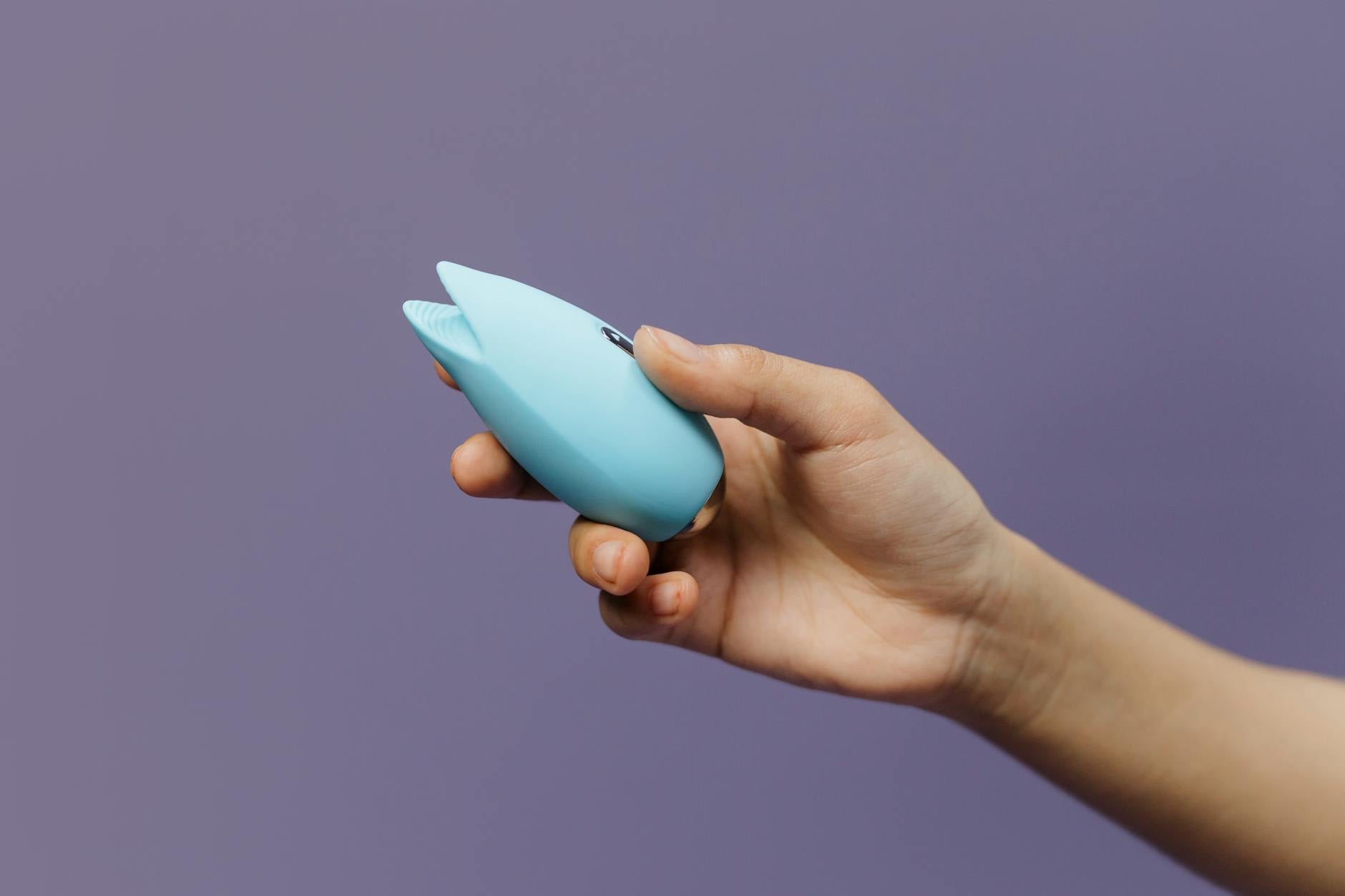
Let's start with the thing nobody tells you
Choosing your first lemon vibrator feels like it should be simple. You see one that looks nice, you buy it, and then you feel weirdly disappointed because it doesn't work the way you expected. The problem isn't you. It's that the marketing around these toys skips over the stuff that actually matters.
Here's what I see clinically: most first-time buyers pick based on aesthetics or brand recognition and then get frustrated because they didn't think about intensity, stimulation type, or how their body actually responds to different sensations. This guide is about doing that homework upfront.
What makes lemon vibrators different from other clitoral toys
If you're comparing a lemon vibrator to a traditional vibrator, the biggest difference is the stimulation pattern. Lemon sexual toys use air-pulse or suction technology, which means they're not buzzing directly against your skin. Instead, they create gentle rhythmic waves of pressure that feel softer and more diffused than traditional vibration.
For a lot of people, this is actually better. It feels less aggressive, requires less direct friction (which matters if you have sensitive tissue), and often produces deeper, more full-body orgasms. But it's a different sensation, and you need to know that going in so you're not comparing it to something completely unlike itself.
Lemon clitoral vibrators are also typically quieter and more discreet than wand vibrators, and the battery life tends to be excellent because the motor isn't working as hard.
The intensity question: where to actually start
This is the biggest misfire I see. People either buy the absolute lowest-intensity option thinking they need to ease in (and then they're bored), or they jump straight to the highest setting (and they overstimulate their clitoris, which then feels numb for days).
Here's the real guidance: if you've never used a vibrator before, you want something with a medium baseline intensity and the ability to adjust upward. You're not looking for the weakest toy on the market. You're looking for something you can start at setting 2 or 3 and build from there.
The reason matters. Your nervous system needs to learn what different sensations feel like. If the baseline is too low, you'll spend the first month or two thinking vibrators just aren't for you. If it's right, you'll find the sweet spot quickly and understand what you actually want.
Most lemon clitoral vibrators have 5 to 10 intensity levels. You don't need 15. More settings just means more options to scroll through. Pick one with at least 5 and a smooth intensity curve (some toys jump too aggressively between settings).
Texture and head design: why it matters more than you think
The opening or head of your toy is where the magic happens. Some have narrow openings (which concentrates stimulation), some are wider (which spreads it out), and some have ridged or textured surfaces.
If you've never had a vibrator before, a softer, wider head is usually the safer bet. It feels less intense and more forgiving if you're exploring your sensitivity. Once you know what you like, you can move toward narrower or more textured designs.
One thing nobody mentions: the texture of the silicone matters too. Some toys have a smooth, almost slick feel. Others have a slight grip or resistance to them. This is partly aesthetic preference and partly practical. Smooth surfaces feel sleek and are easier to clean. Textured surfaces can feel more interesting, but they trap moisture and require more careful cleaning.
Battery life, charging, and waterproofing
Let's be practical. You want a toy that gets at least 2 hours of use per charge. Anything less is annoying when you're building a routine.
Charging matters too. USB rechargeable is standard and reliable. Some toys still use AA batteries, which is fine if you have batteries on hand, but less convenient in the long run. Avoid any toy that requires a proprietary charger cable because those get lost or fail, and then your toy becomes expensive trash.
Waterproof or water-resistant is worth the small investment. You get more flexibility. You can use it in the shower, clean it easily under running water, and not panic if you spill water near it.
Material safety: what you're actually putting on your body
Body-safe silicone is the standard, and honestly, it should be non-negotiable. Medical-grade silicone is even better, but most quality toys are fine. The risk of cheap silicone is that it breaks down over time and sheds particles into your body.
ABS plastic (the body of the toy) is fine. Avoid toys made entirely of rubber or jelly material. Those are porous and can harbor bacteria.
One practical thing: if you're using silicone lubrication, you need a silicone toy (because silicone lube degrades silicone). If you're using water-based lube, silicone or plastic is fine. Most people use water-based, so this rarely matters, but it's worth knowing.
Size and discreetness: practical considerations
If you live with a partner or roommate and privacy matters, that affects what you buy. Smaller toys are easier to hide and quieter to use. Larger toys are often easier to control and maneuver, which means more pleasure, not less.
There's no virtue in choosing the tiniest toy if it means you're uncomfortable using it. That's counterproductive. Pick something that feels right for your body and your situation. If discreetness is critical, know that most quality toys are actually pretty quiet, and storage options like lockable cases exist.
Price: what you actually need to spend
You don't need to spend $200 on your first lemon vibrator. You also shouldn't buy the $15 Amazon toy, because quality control is nonexistent and the materials are questionable.
The sweet spot for a first-time buyer is $65 to $90. That range gets you a toy that's built well, lasts years, and is designed thoughtfully. Below that, you're taking material and durability risks. Above that, you're often paying for premium silicone finishes or design details that don't change the actual sensation.
Starting your exploration: which type of toy fits your situation
If you're exploring on your own and have time to learn your body, a classic lemon clitoral vibrator is the right move. If you're integrating this into partnered sex and want something you can use together, consider whether you want something hands-free (like a toy you can wear) or something handheld.
If you're rebuilding confidence after a period away from pleasure, start with something medium-intensity that feels forgiving, not punishing. If you're dealing with numbness or reduced sensation, you might want something slightly more intense than the baseline recommendation.
The point is: your situation matters. Let it inform your choice, not just the pretty marketing photos.
What you can actually ignore when choosing
Design awards. If it wins an award but feels mediocre to use, the award is for someone else. App connectivity. Most people don't use it, and it adds cost and complexity. The brand name or hype cycle. Buy what's made well, not what's trending. Novelty shapes. A lemon vibrator that looks like a piece of fruit is nice for discreetness, but it shouldn't be the only reason you pick it. Promises of "revolutionary" stimulation. They're all buzzing against the same clitoris. The sensation will be different, but not magical.
Focus on the fundamentals: material quality, intensity range, battery life, and whether the head design matches your comfort level.
FAQ: Your questions answered
Can you use a lemon vibrator if you've never had one before?
Absolutely. First-time users are actually the ideal audience for lemon clitoral vibrators because the suction sensation is gentler than traditional vibration. Start at a medium intensity setting and give yourself permission to explore without pressure. The learning curve is maybe two or three uses. After that, your body understands what it's experiencing.
How do you know if a lemon vibrator is right for you personally?
The honest answer is you won't know until you try one. But you can make an educated guess by thinking about your sensitivity level. If direct touch on your clitoris feels too intense, suction-based stimulation is probably better for you. If you like strong sensation, a higher-intensity lemon vibrator might work, or a traditional vibrator might feel better. The only way to know for sure is to experiment.
Should you buy a more expensive lemon vibrator as your first one?
Not necessarily. The difference between a $75 lemon clitoral vibrator and a $150 one is usually about finish quality, additional features you might not use, or brand prestige. For learning what you actually like, a well-reviewed mid-range toy is smarter. Once you know your preferences, upgrading makes sense.
Is it normal to feel awkward using a vibrator the first time?
Completely normal. You're introducing something unfamiliar into an intimate experience. That takes adjustment. Give yourself at least three uses before deciding if it's for you. Your brain and body need time to learn what the sensation is and how to respond to it. The awkwardness usually passes.
How do you pick between a lemon vibrator and other types of toys?
It depends on what kind of stimulation appeals to you. Air-suction toys like a lemon vibrator feel softer and more diffused. Vibrators feel more direct and intense. Wands cover a wider area. Bullets are focused and portable. If you're choosing your first toy and you're sensitive or need gentler stimulation, go with suction. If you like stronger, more direct sensation, try traditional vibration. You don't need to decide forever. Most people eventually have more than one.
What's the difference between a lemon vibrator and a lemon sucker?
These terms are often used interchangeably because both use suction technology. Technically, a "lemon sucker" emphasizes the suction pulse pattern, while "lemon vibrator" is the broader category. From a practical standpoint, they feel the same. The marketing language just varies between brands.
The real starting point
Choosing your first lemon vibrator is less about finding the "perfect" toy and more about finding the one that matches where you are right now. Your needs will probably change. Your preferences will definitely evolve. But the fundamentals matter: quality materials, realistic intensity expectations, and honest reviews from actual users.
If you're stuck between two options, ask yourself which one you'd actually be comfortable using regularly. That's your answer. Once you've explored with your first toy, you'll know exactly what you want next.